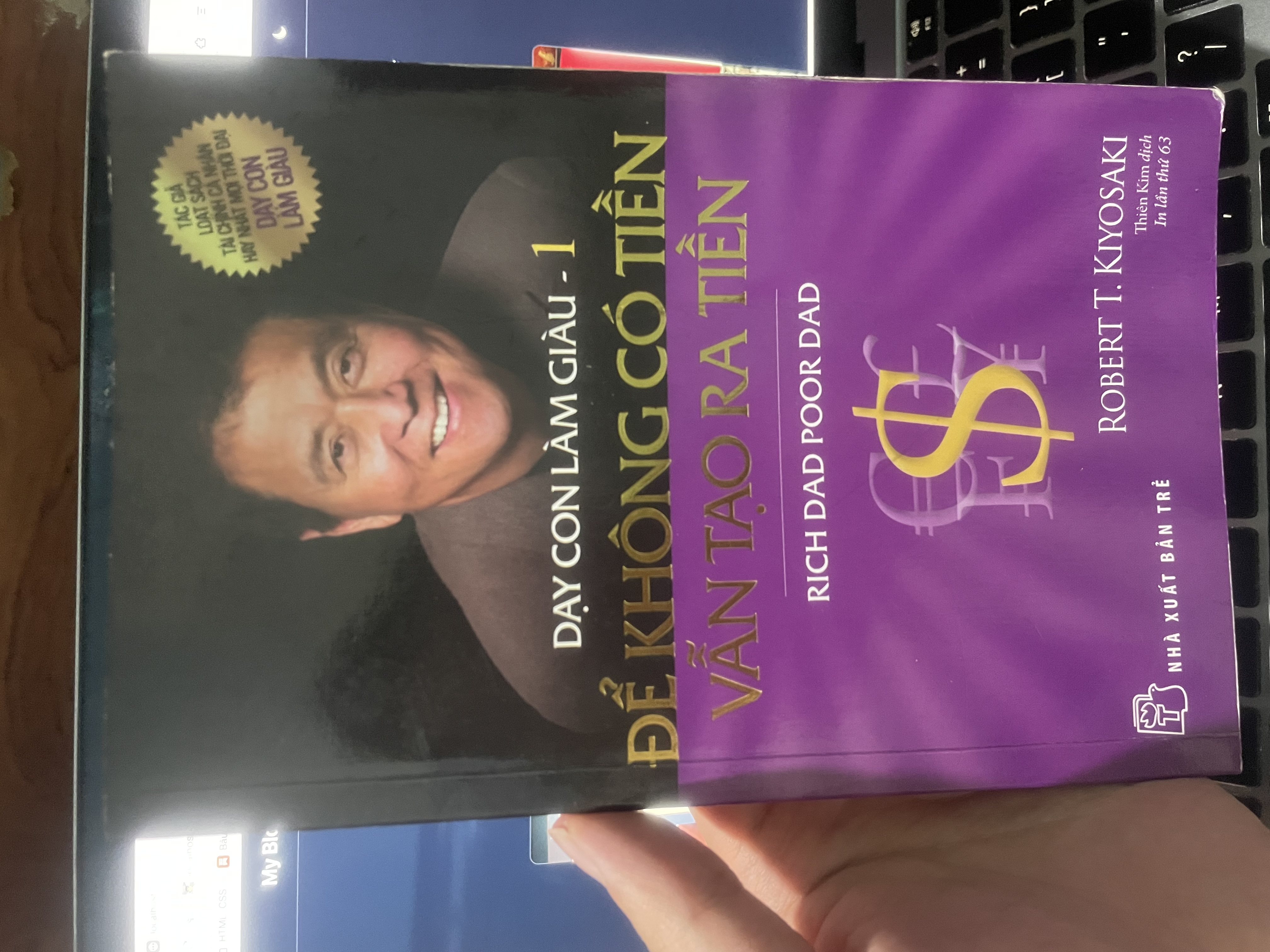
Rich Dad Poor Dad - Volume 1
Robert T. Kiyosaki
"This book completely redefined my concept of 'assets' and 'liabilities.' It's not a get-rich-quick manual, but a foundational mindset reset."
When I first picked up Rich Dad Poor Dad - Volume 1, I thought it was just another book about making money fast. But no, Robert Kiyosaki told the story of his two fathers to shatter old financial beliefs that school never taught.
Two Dads, Two Worldviews
The story begins with the contrast between two father figures:
- Poor Dad (his biological father): Highly educated, worked hard, but struggled with debt all his life. He believed: “The love of money is the root of all evil” and “Study hard so you can find a good company to work for”.
- Rich Dad (his best friend’s father): Didn’t finish 8th grade, but became the richest man in Hawaii. He taught: “The lack of money is the root of all evil” and “Learn to have money work for you”.
The difference wasn’t the amount they earned, but how they thought about money. One worked for money; the other made money work for him. This made me realize: all this time, I had been chasing money just like the poor dad without even knowing it.
The Most Valuable Lesson: Assets vs. Liabilities
This concept completely changed how I view purchases.
- Asset: Something that puts money in your pocket (e.g., rental property, dividend stocks, a business that runs itself).
- Liability: Something that takes money out of your pocket (e.g., your mortgage, car payments, expensive clothes).
Robert points out that the poor and middle class often buy liabilities but mistake them for assets. They buy a bigger house, a nicer car on credit, thinking it’s an investment. But in reality, these only create more expenses (taxes, maintenance, interest) and keep them trapped in the Rat Race (The cycle: Go to work -> Get paid -> Pay bills -> Broke -> Go to work again).
Why do the Rich Get Richer?
The rich focus on building their Asset Column first. When the cash flow from assets is large enough to cover all expenses and luxuries, they become truly wealthy. They don’t work for a paycheck; they work to build asset systems.
Meaningful quote: “The rich buy assets. The poor only have expenses. The middle class buy liabilities they think are assets.”
Deep Personal Reflection
After finishing Volume 1, I no longer see the house I live in as my biggest investment. I started asking myself: “Is this thing I’m about to buy putting money in my pocket or taking it out?”.
The book doesn’t teach specific stock or real estate techniques, but it teaches the “mindset” of an investor. It encourages the courage to leave the comfort zone of a “stable job” and start learning about financial literacy.
Conclusion: If you want to escape working a lifetime for a paycheck and worrying about bills, this is mandatory reading. It might hurt to realize your past mistakes, but it’s a necessary pain for financial maturity.